


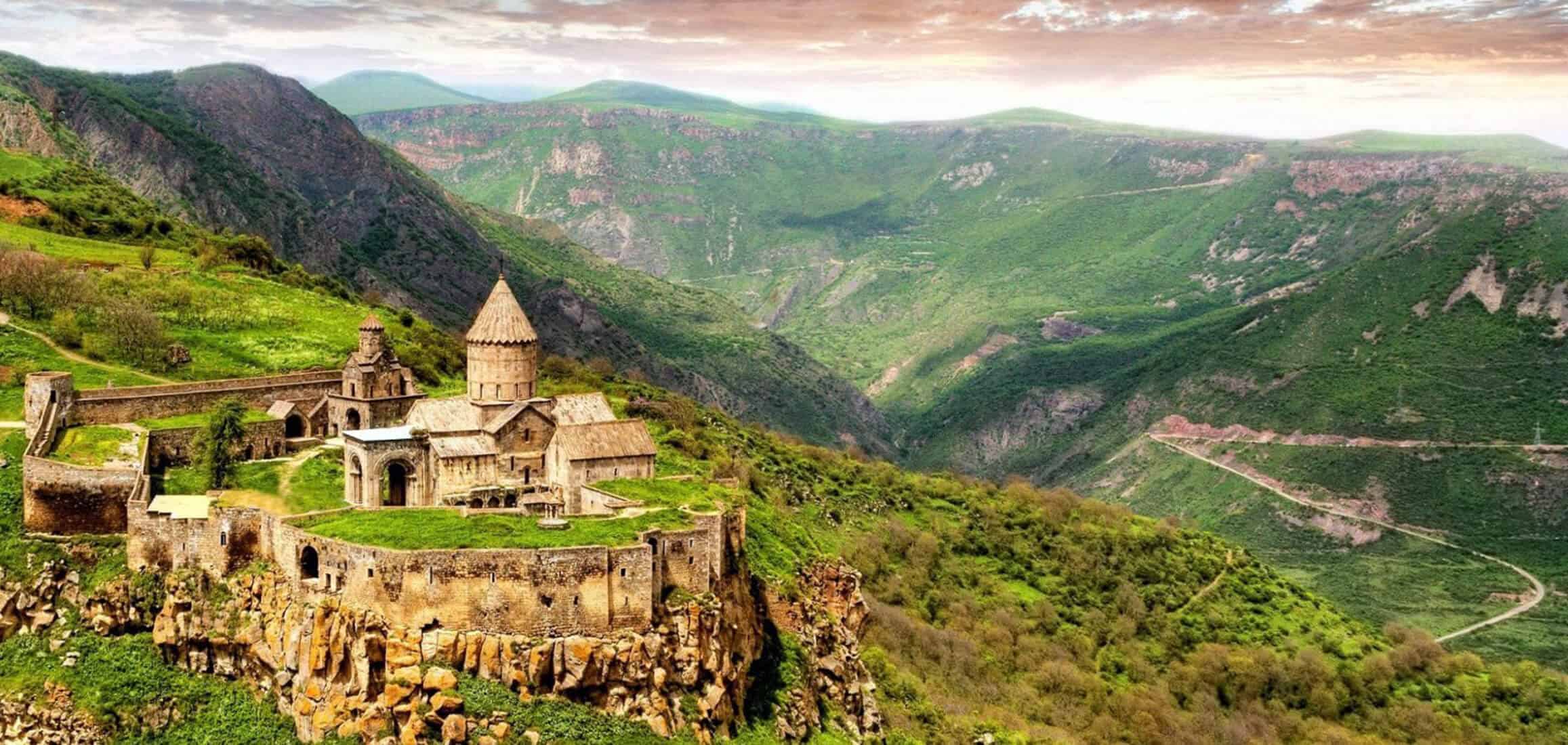
Tucked between Europe and Asia in the rugged heart of the Caucasus, Armenia is a country where ancient monasteries cling to cliffs, volcanic landscapes roll into green forests, and centuries-old traditions blend effortlessly with modern life. Often overlooked by travelers, this small nation rewards visitors with dramatic scenery, deep history and a culture that feels both timeless and warmly alive. From vibrant cities to remote mountain monasteries, Armenia offers a remarkable journey through one of the world’s oldest civilizations.
Yerevan: The Pink City with a Modern Pulse
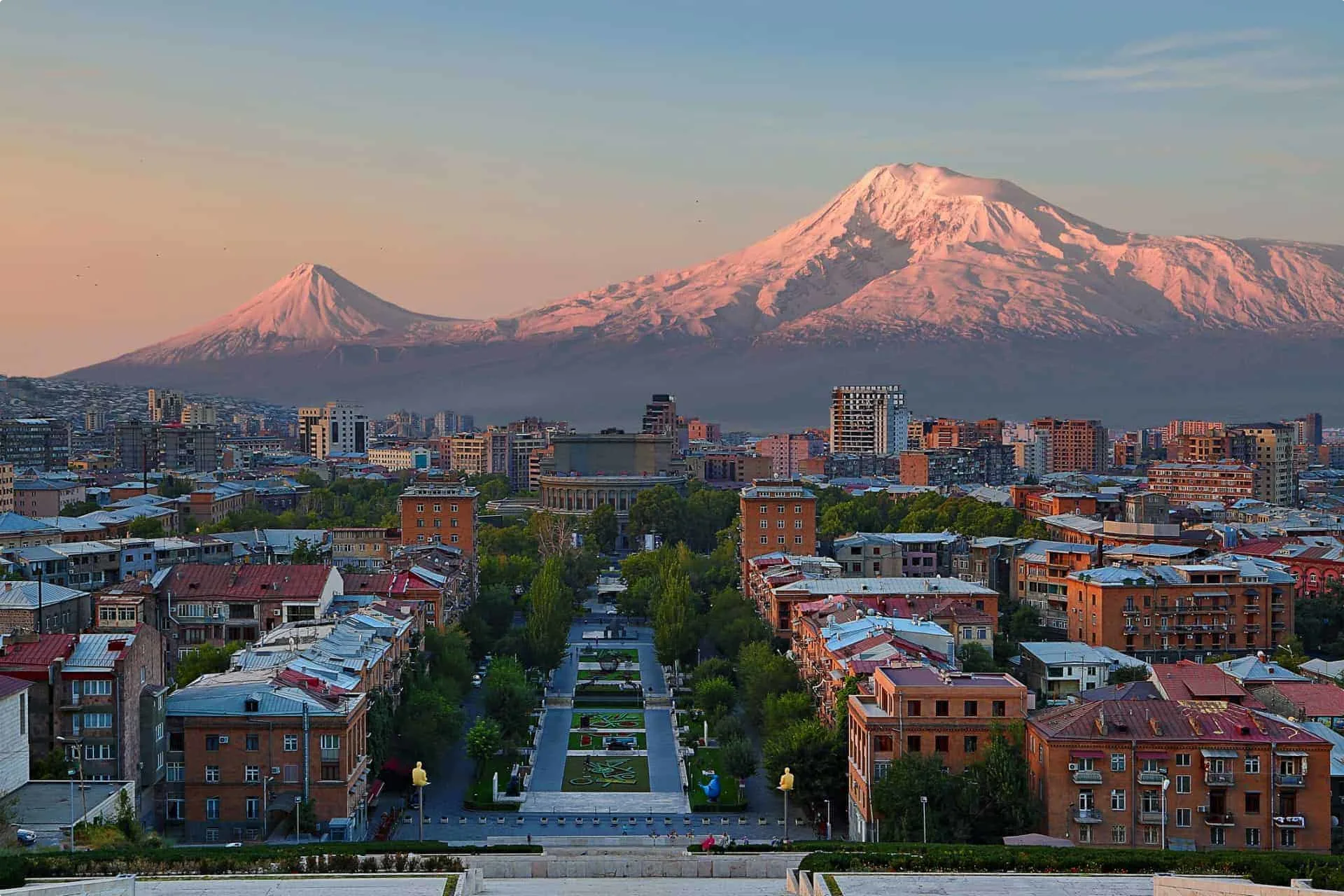
Most journeys begin in Yerevan, Armenia’s lively capital and one of the world’s oldest continuously inhabited cities. At first glance, the city feels surprisingly contemporary. Stylish cafés, wine bars and bustling boulevards sit alongside traditional taverns where the scent of grilled khorovats (Armenian barbecue) fills the air. Vintage Soviet-era Ladas share the streets with luxury sedans, while fashion ranges from elegant European chic to traditional headscarves.
At the center of it all is Republic Square, the architectural heart of the city. Built from rose-colored volcanic stone, the grand buildings surrounding the square give Yerevan its nickname: the “Pink City.” Nearby, the History Museum of Armenia offers an extraordinary glimpse into the country’s ancient past, displaying artifacts dating back thousands of years, including a remarkably preserved leather shoe believed to be more than 5,500 years old.
Just a short walk away rises the Cascade Complex, a monumental stairway and sculpture garden that climbs the hillside in terraces. From the top, visitors are rewarded with sweeping views of Yerevan and the majestic silhouette of Mount Ararat in the distance—a symbol deeply woven into Armenian identity.
Gyumri: Armenia’s Artistic Soul
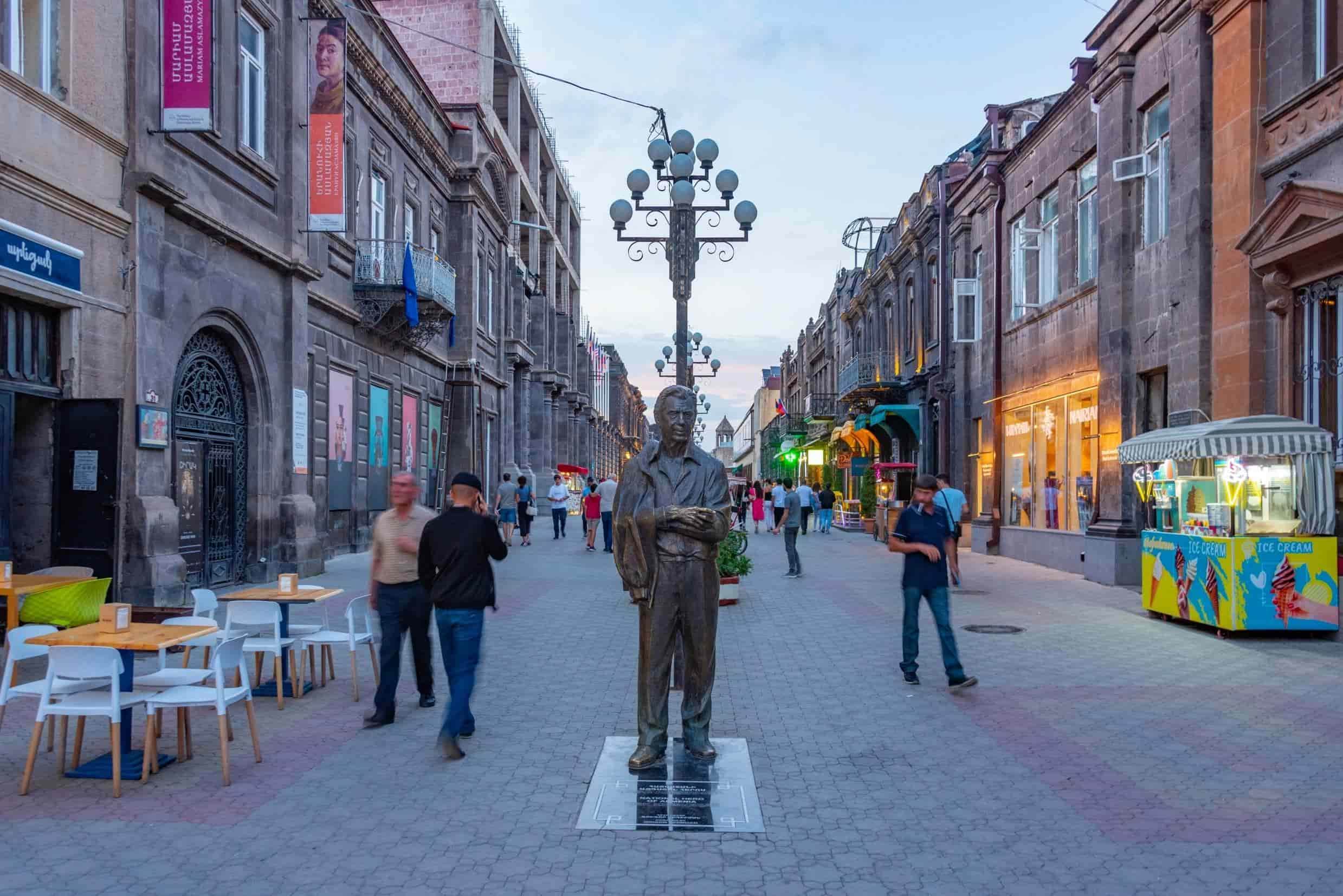
A few hours northwest of the capital lies Gyumri, Armenia’s second-largest city and a cultural treasure. With a history stretching back more than 2,500 years, the city is known for its elegant 19th-century architecture built from volcanic tuff stone. Despite the devastating 1988 earthquake that destroyed much of the city, Gyumri has carefully restored many of its historic buildings and continues to revive its artistic heritage.
Strolling through its old streets reveals ornate balconies, intricately carved stone façades and brightly colored wooden doors. Landmarks such as the Surp Amenaprkich Cathedral showcase the city’s striking blend of black and apricot-colored stone, while local galleries and museums celebrate Gyumri’s long tradition of art, craftsmanship and storytelling.
Alaverdi and the Monasteries of the Debed Gorge
Armenia’s landscapes are inseparable from its religious history, and nowhere is this more evident than in the Debed Gorge near the town of Alaverdi. Though the town itself is an industrial settlement, the surrounding hills hide some of the country’s most breathtaking medieval monasteries.
The UNESCO-listed monasteries of Haghpat and Sanahin sit dramatically above the gorge, surrounded by forested mountains and sweeping views. Founded in the 10th century, these complexes contain ancient chapels, intricately carved khachkars (stone crosses), medieval libraries and quiet courtyards that feel suspended in time.
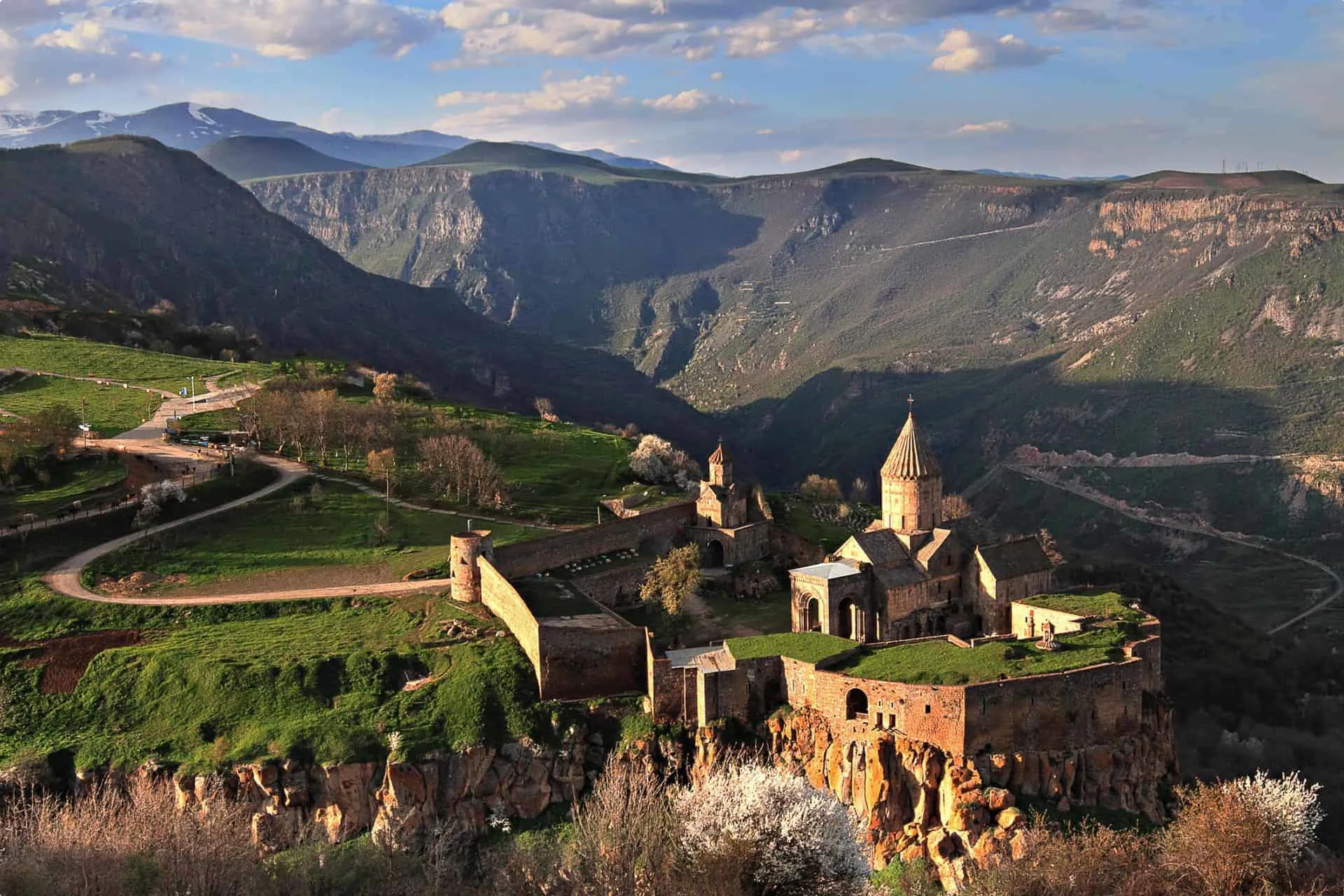
Walking through these monasteries offers more than architectural beauty—it provides a window into the spiritual and intellectual life of medieval Armenia, when these religious centers also functioned as universities and hubs of learning.
Dilijan: Armenia’s “Little Switzerland”
For travelers drawn to nature, Dilijan is often described as Armenia’s answer to the Alps. Nestled among forested mountains in the country’s northeast, the town is surrounded by lush valleys and scenic hiking routes.
The nearby trails of the Transcaucasian Trail wind through thick forests, past ancient monasteries and across highland meadows, making the region one of the best places in the Caucasus for trekking. Even during the summer months, the climate remains pleasantly cool thanks to the elevation and dense woodland.
Dilijan itself has a relaxed, artistic atmosphere. Wooden houses line the streets, and small craft shops and cafés offer a perfect place to unwind after a day exploring the mountains.
Jermuk: The Land of Healing Waters
Further south lies the spa town of Jermuk, famous throughout the region for its mineral springs. For centuries, people have traveled here seeking the healing properties of its naturally carbonated waters.
Today, Jermuk combines Soviet-era spa traditions with modern wellness resorts. Visitors can soak in mineral baths, enjoy therapeutic treatments or simply stroll through the peaceful town surrounded by forests and mountains. The Gallery of Water allows visitors to taste mineral water from several springs, each emerging at different temperatures.
Goris: A Town of Stone and Legend
In southern Armenia, the town of Goris offers one of the country’s most enchanting settings. The historic center features charming stone houses with carved balconies, while the surrounding landscape is filled with strange rock formations and ancient cave dwellings.
Nearby valleys are dotted with towering volcanic pinnacles that resemble natural sculptures rising from the earth. Some of these formations contain caves once used as homes or shelters, giving the region an almost surreal atmosphere.
Areni: Where Wine History Runs Deep
Wine lovers should not miss the village of Areni, located in a sun-drenched valley known for its vineyards. In 2008, archaeologists discovered a 6,100-year-old winery inside a nearby cave—one of the oldest known wine-making sites in the world.
Today, the region continues this ancient tradition. Small family wineries produce distinctive Armenian wines, particularly from the indigenous Areni grape. Tasting wine here feels like stepping into a living history of one of humanity’s oldest beverages.
Garni and Geghard: Echoes of Ancient Faith
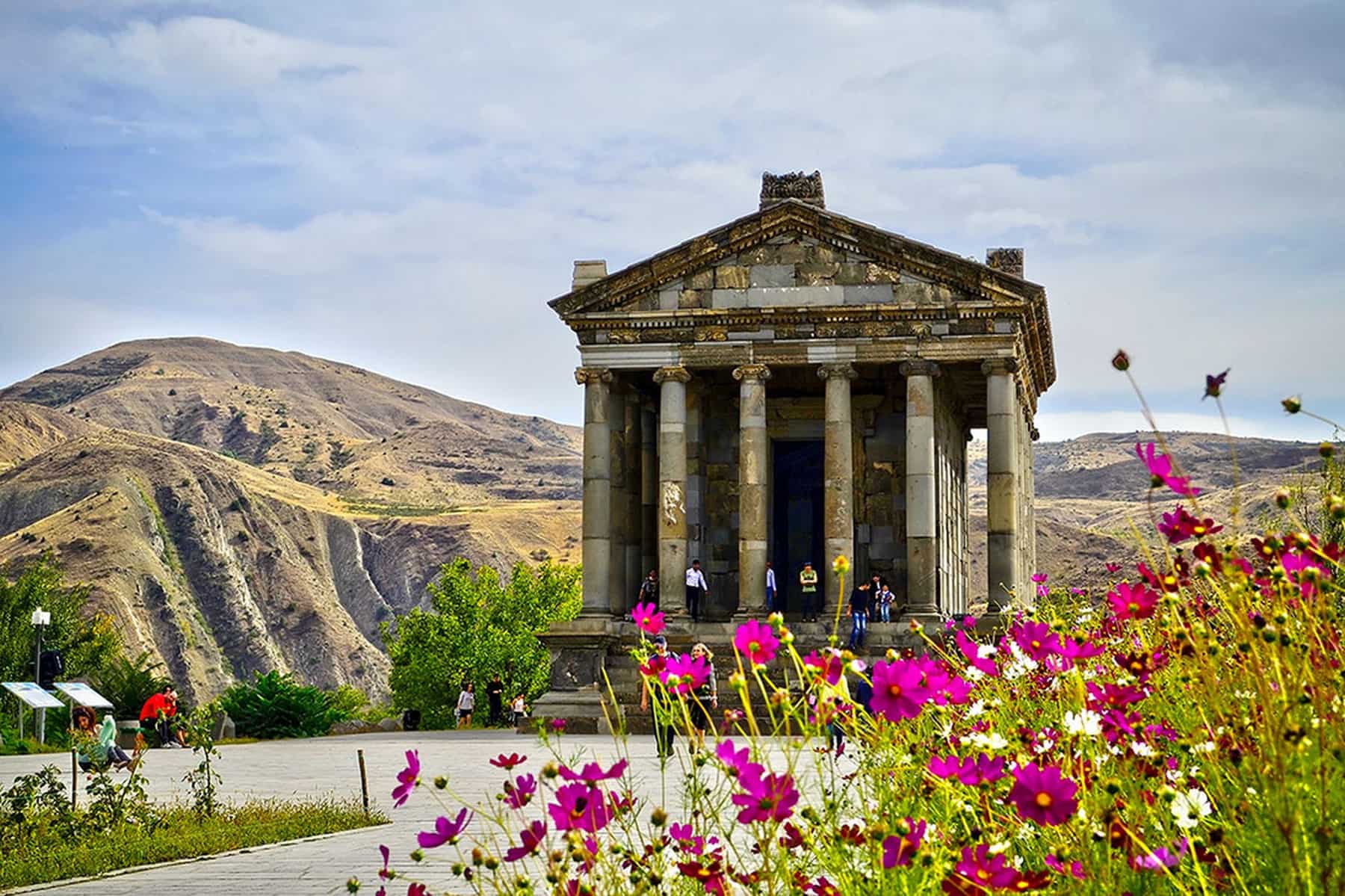
Less than an hour from Yerevan lies one of Armenia’s most iconic cultural landscapes. The Temple of Garni, built in the first century CE, stands on a dramatic plateau overlooking a deep gorge. Its classical columns resemble a Greco-Roman temple, making it unique in a country dominated by Christian architecture.
Below the temple, the Garni Gorge reveals an extraordinary geological formation known as the “Symphony of Stones,” where towering basalt columns line the cliffs like a giant organ.
Nearby stands the Geghard Monastery, a UNESCO World Heritage site partially carved directly into the mountain. Founded during the early centuries of Christianity, the monastery’s stone chambers, candlelit chapels and sacred spring create a powerful sense of spiritual calm.,