
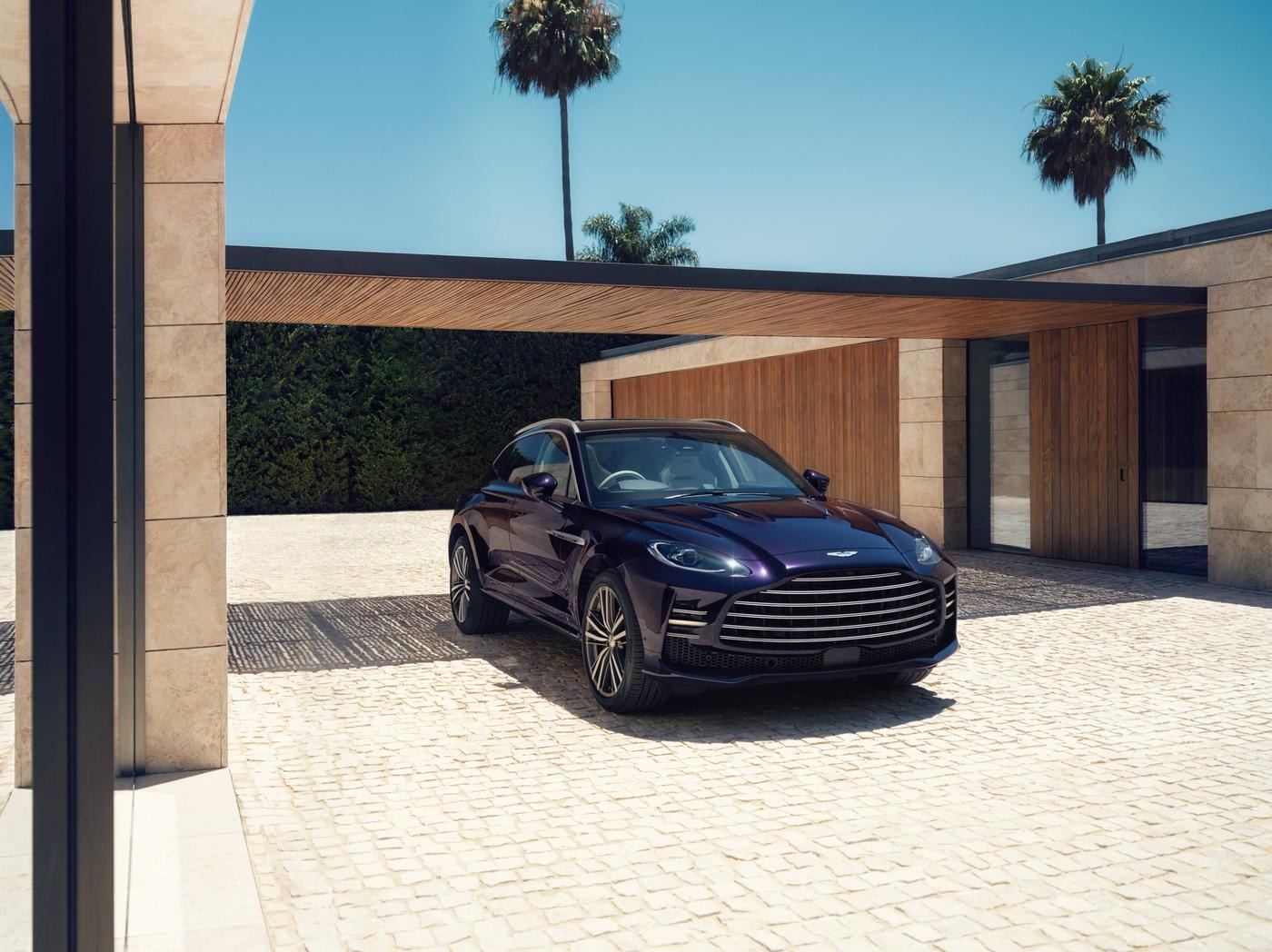
Aston Martin has expanded its SUV line-up with the DBX GT, a new luxury-focused derivative that places greater emphasis on refinement without sacrificing the performance and driver engagement expected from the British marque. Positioned alongside the more overtly athletic DBX S, the new model combines restrained exterior styling with a comprehensively revised chassis, transmission and exhaust setup.
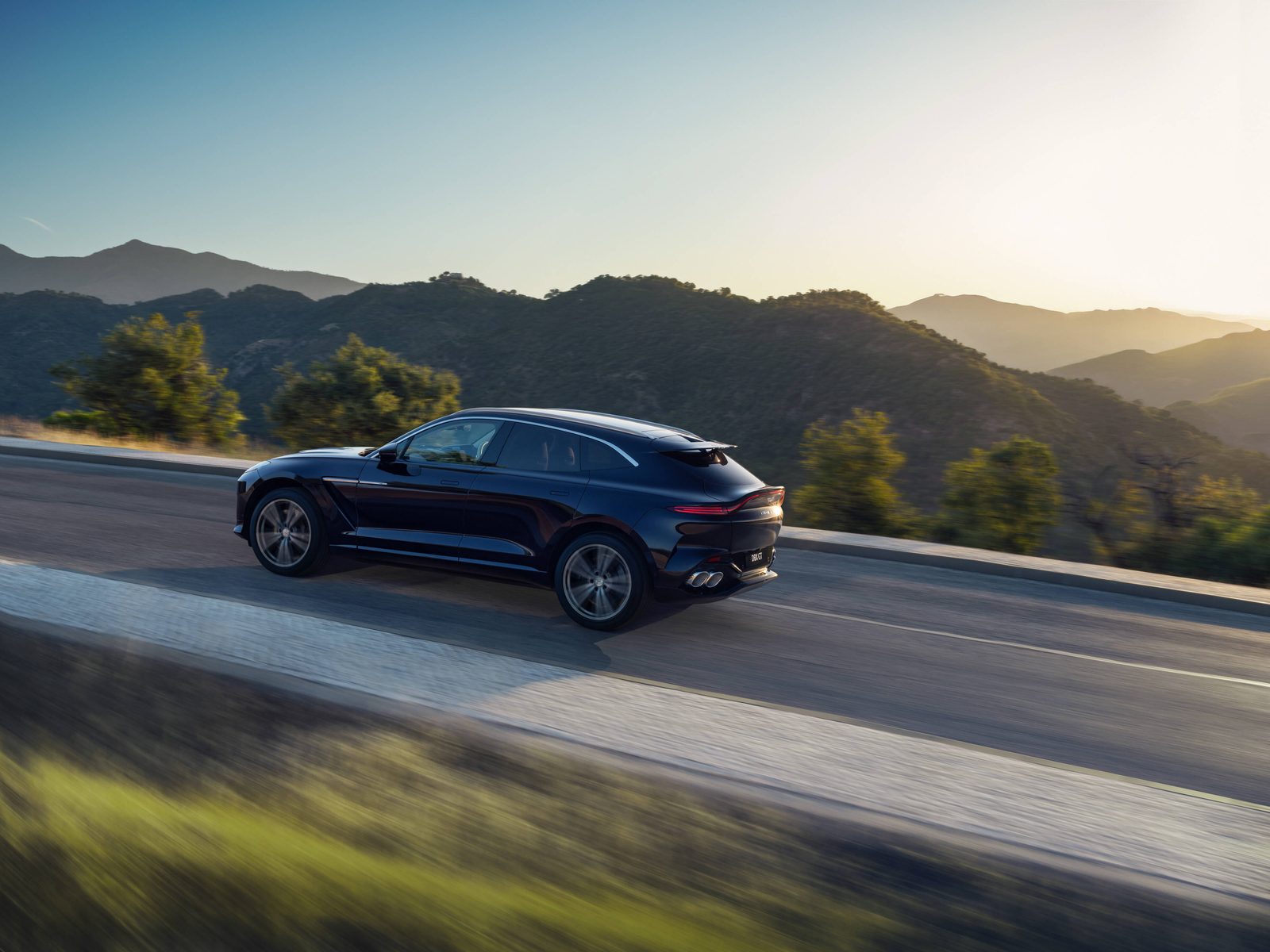
Described by Aston Martin as offering “the ultimate in luxury and refinement,” the DBX GT takes a more understated visual approach than the DBX S. The philosophy is reminiscent of Bentley’s strategy with the Bentayga, where performance and luxury are given distinct identities within the same SUV family.
Under the bonnet, however, there is little compromise. The DBX GT uses the same 4.0-litre twin-turbocharged V8 as the DBX S, producing 727 PS and 900 Nm of torque. Power is delivered to all four wheels through a nine-speed automatic transmission, enabling the SUV to accelerate from 0 to 96 km/h in just 3.1 seconds before reaching a top speed of 309 km/h.
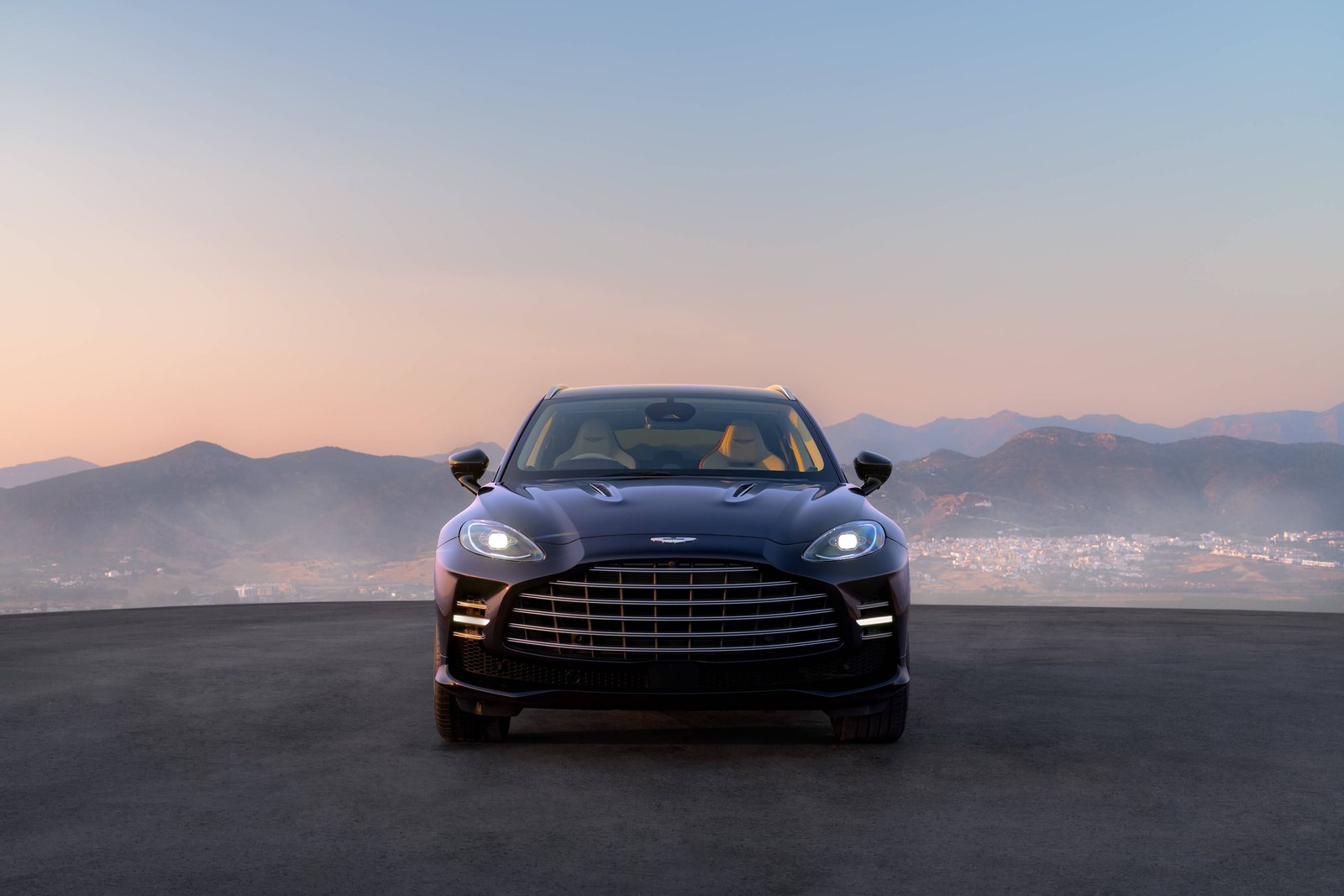
Stopping power is equally serious, with the DBX GT retaining the DBX S’s carbon-ceramic braking system. The setup comprises 420 mm discs at the front and 390 mm units at the rear. The steering ratio is also carried over, with Aston Martin quoting a 12-metre turning circle.
The major differences emerge beneath the surface, where the DBX GT receives a revised suspension calibration designed to deliver a more compliant ride. A damper valve system developed specifically for the model is intended to absorb imperfections in poor road surfaces while maintaining the body control required during spirited driving.
The revised damper valving focuses on managing oil flow during high-frequency, low-amplitude inputs, such as rough surfaces and rumble strips. By controlling these movements more effectively, the system helps reduce vibrations reaching the cabin, contributing to a quieter and more composed driving experience.
Spring rates vary according to the selected drive mode, while two new longitudinal dampers manage the connection between the body and rear subframe. The arrangement is designed to enhance the perception of structural integrity when the suspension encounters large potholes, sharp crests or severe compressions.
At lower speeds, ride comfort is further supported by standard 22-inch wheels, while customers can specify larger 23-inch wheels fitted with either summer or all-season tyres.
The nine-speed automatic transmission has also been recalibrated to improve its responses across a wider range of driving conditions, from relaxed urban cruising to full-throttle acceleration. A new transmission mounting bush increases mounting stiffness, helping to better control transmission movement relative to the vehicle body.
Aston Martin has taken a similarly considered approach to the exhaust. The DBX GT receives a dedicated exhaust tune, with double-mixing of gas flow inside the rear muffler designed to reduce harsher metallic frequencies and produce a cleaner, richer sound. GT mode keeps the character suitably discreet, while Sport and Sport+ modes unleash the fuller exhaust note associated with the DBX GT’s performance credentials.
Inside, the emphasis on comfort becomes even more apparent. The front and rear seats have been redesigned with revised cushioning, bolstering and reengineered comfort curves, providing support during enthusiastic driving while remaining suitable for everyday use and longer journeys.
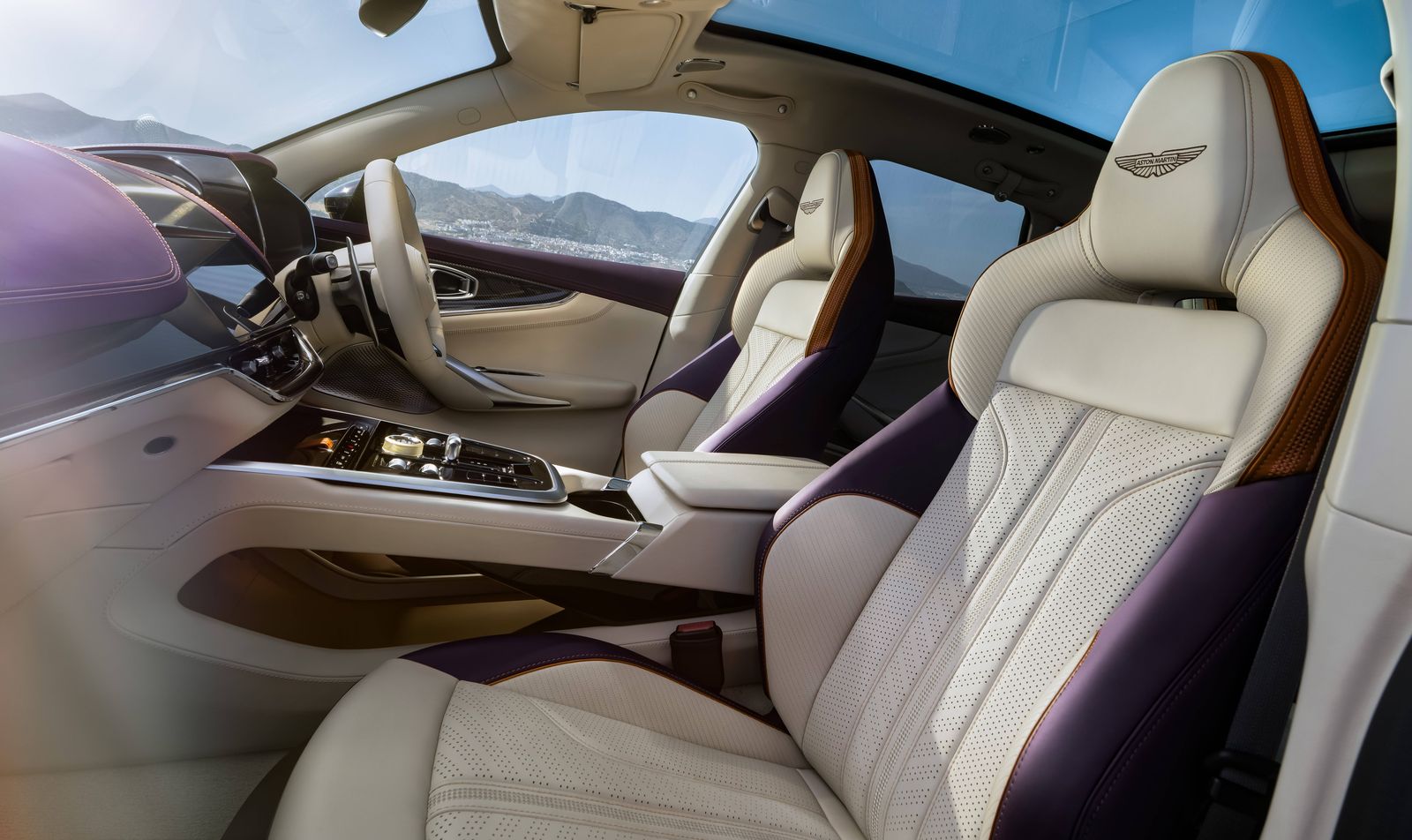
The rear cabin adopts what Aston Martin calls an “individual” seat layout. Despite the description, the DBX GT remains a five-seat SUV, with particular attention paid to the two outer rear seats. Their design more closely mirrors the front seats, incorporating extended headrests and additional bolstering for enhanced long-distance comfort. A panoramic glass roof comes standard, bringing more natural light into the cabin.
Material quality is equally central to the DBX GT’s character. An anodised metal drive mode rotary controller and secondary switchgear feature what Aston Martin describes as a “jewellery quality finish,” reinforcing the model’s more luxurious positioning.
Customers can choose monotone, duo-tone or tri-tone upholstery combinations, complemented by embroidery stitching in a pattern exclusive to the DBX GT. Semi-aniline leather is used throughout, with each front seat requiring 691 metres of thread, 3,297 perforation holes and more than 4.5 hours of craftsmanship.

The pursuit of refinement extends beyond visual and tactile details. Aston Martin has paid greater attention to cabin sealing and sound insulation, adding sound-deadening material to the door panels, front and rear wheel-arch areas and luggage compartment. Acoustic laminated glass is also used for the rear side windows.
Deep-pile carpets contribute to the luxurious atmosphere while helping isolate unwanted road noise. According to Aston Martin, these measures deliver a measurable 13% improvement in the articulation index, indicating how easily occupants can maintain a conversation while the vehicle is moving.
With its combination of super-SUV performance and a more serene character, the DBX GT takes a different route from the aggressive DBX S. Deliveries are scheduled to begin in the fourth quarter of this year.