
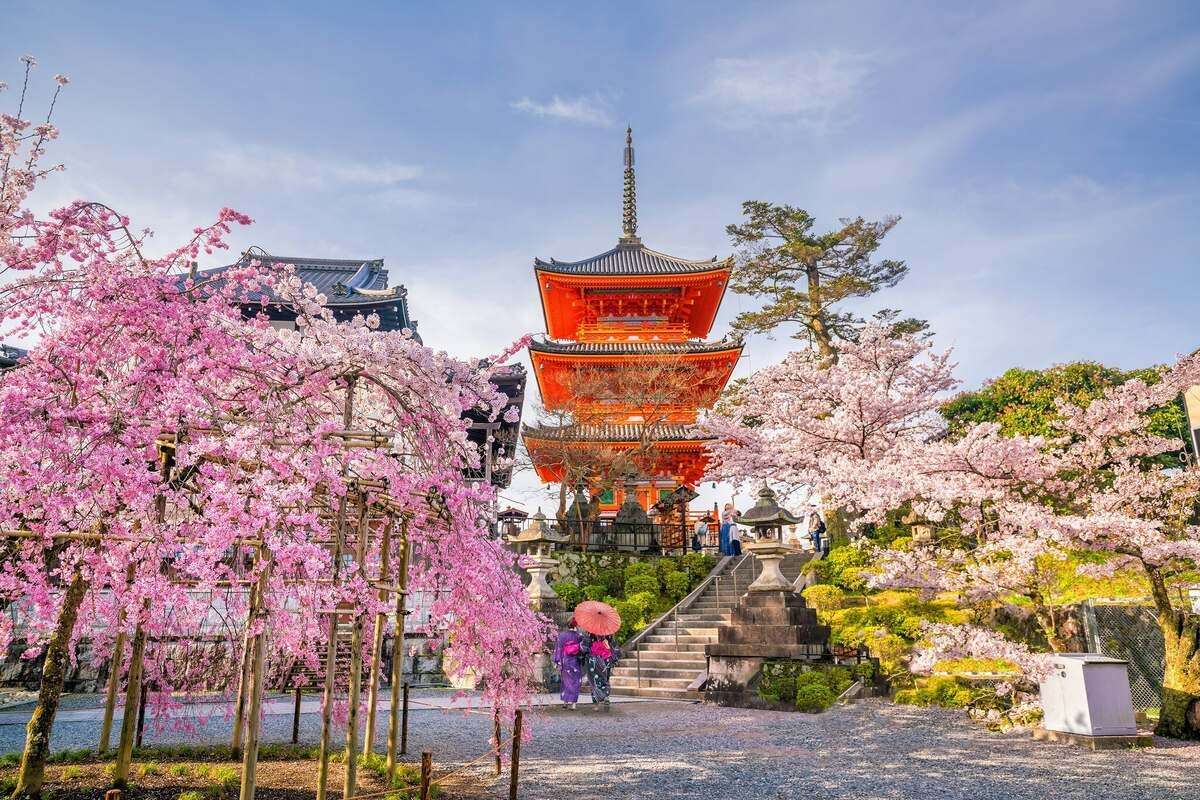
Few Japanese cities capture the imagination quite like Kyoto. Once the country’s imperial capital, the city remains a remarkable blend of ancient temples, tranquil gardens, traditional teahouses and atmospheric streets. With more than 2,000 temples and shrines scattered across its neighborhoods, Kyoto can feel almost overwhelming on a first visit. Yet that is part of its charm.
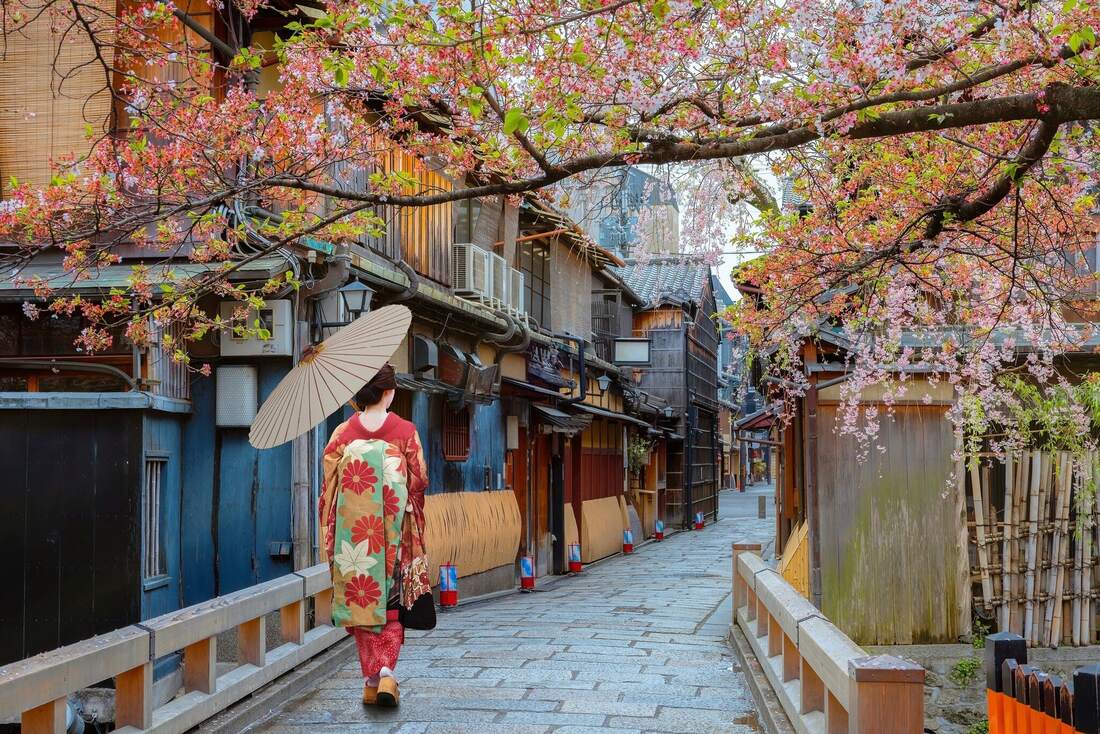
Take a random turn and you might discover a tiny shrine tucked between shops, a peaceful canal framed by cherry trees or a quiet garden where locals escape the city’s rhythm. Kyoto rewards curiosity, but a little planning helps reveal its most memorable experiences.
Here are 15 ways to experience the city at its best.
1. Admire the Golden Pavilion
Kinkaku-ji is one of Kyoto’s defining sights. Known as the Golden Pavilion, the temple’s upper levels are covered in gold leaf, creating a spectacular reflection across the surrounding pond. Crowds gather for the classic photograph, but the view is worth the pause, particularly when the changing seasons transform the landscape around it.
2. Follow the Torii at Fushimi Inari-Taisha
Few sights are more instantly recognizable than the thousands of vermilion torii gates winding up the hillside at Fushimi Inari-Taisha. Donated by businesses and individuals as expressions of gratitude, the gates have formed a continuous pathway since the Edo period.
Begin among the fox statues associated with Inari, the Shintō deity of rice, agriculture, tea and industry, then climb higher. The complete route takes roughly two to three hours, but the farther you go, the more peaceful the experience becomes.
3. Take in the views at Kiyomizu-dera
Perched dramatically above eastern Kyoto, Kiyomizu-dera offers one of the city’s most memorable panoramas. Its famous wooden platform once inspired visitors to make dramatic leaps in pursuit of their wishes. Today, fortune-seekers can visit the sacred Otowa Waterfall instead, where three streams are associated with longevity, academic success and romantic fortune.
Visit during cherry-blossom season or autumn, or arrive before sunset when the city glows beneath the temple.
4. Step into the world of the shoguns
Nijō-jō transports visitors into the lavish world of the Tokugawa shoguns. Behind its imposing battlements are ornate chambers, intricate carvings and richly decorated gardens. Look closely for the painted lions, then walk across the famous “nightingale floors,” whose distinctive chirping sounds once served as an ingenious warning system against intruders.
5. Wander through a moss-covered garden
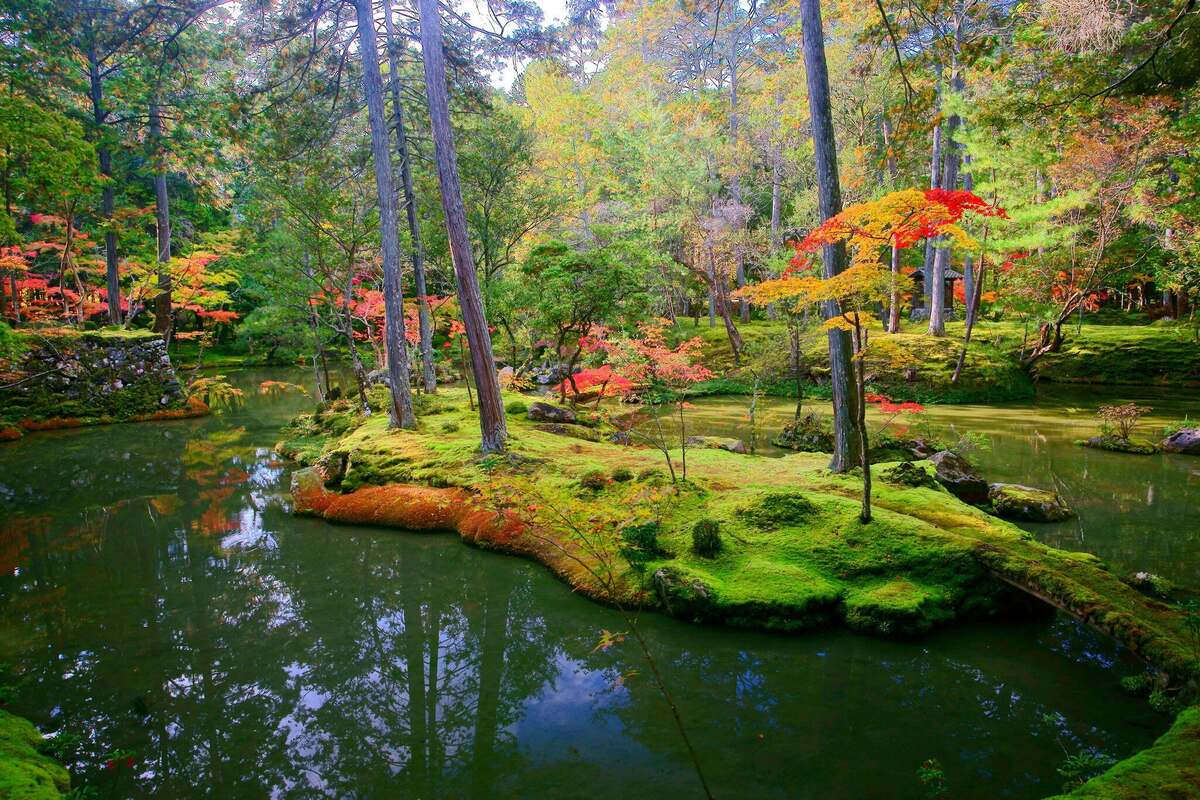
Saihō-ji, better known as Koke-dera, is one of Kyoto’s most enchanting gardens. Its carpet of approximately 120 varieties of moss creates an almost dreamlike landscape, one that even inspired David Bowie’s “Moss Garden.” Visitors traditionally begin with a devotional activity before entering the garden for a leisurely stroll.
6. Eat your way through Kyoto’s ramen scene
Kyoto may live in Osaka’s shadow when it comes to Japanese food, but its ramen culture deserves attention. Kyoto Gogyo is known for its dramatic burnt ramen and deeply charred broth, while Vegan Ramen UZU Kyoto combines mushroom-based noodles with an immersive digital-art setting. Engine Ramen is another popular stop, particularly for diners seeking vegan or gluten-free options.
7. Discover the art of matcha
Kyoto and matcha are inseparable. With an approximately 800-year tea-growing tradition in the wider region, the city offers countless ways to experience Japan’s powdered green tea. At Camellia, a traditional tea ceremony reveals the meaning behind every careful movement. For something more contemporary, Maccha House serves inventive creations, while Ippōdō and Marukyu Koyamaen are ideal for taking premium tea home.
8. Graze through Nishiki Market
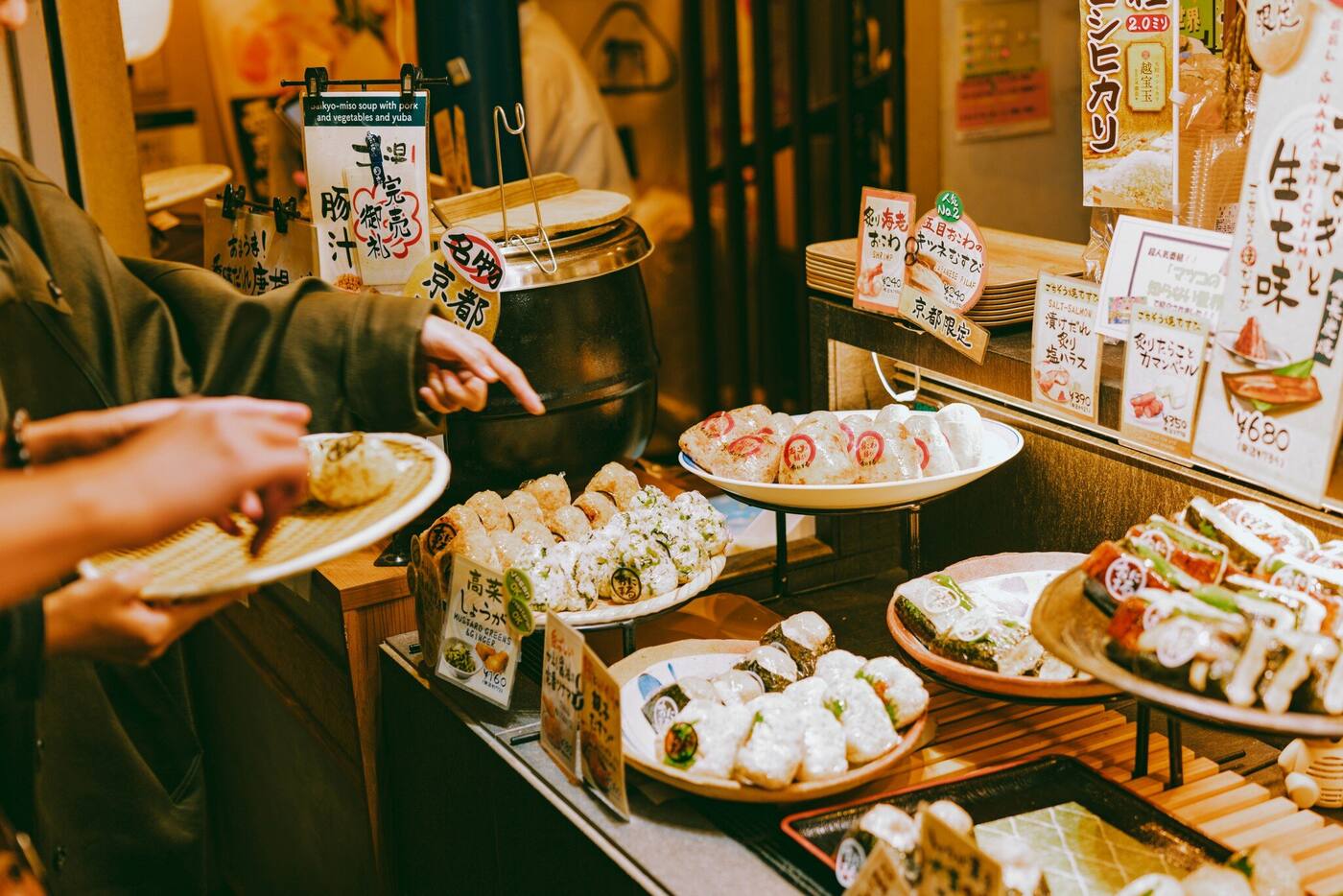
Known affectionately as “Kyoto’s Kitchen,” Nishiki Market stretches across five blocks and brings together more than 100 shops and food stalls. It is an ideal place to sample local flavors, from soy-milk donuts and rice crackers to the wonderfully unusual tako tamago, a baby octopus with an egg tucked into its head.
9. Escape to Ōkōchi Sansō
Just beyond the famous Arashiyama Bamboo Grove lies Ōkōchi Sansō, the former home of samurai-film star Denjirō Ōkōchi. Its beautifully maintained hillside gardens offer sweeping views of Kyoto and a welcome sense of calm. Finish with complimentary matcha and Japanese sweets at the garden’s traditional teahouse.
10. Shop for meaningful souvenirs
Kyoto is a treasure trove of traditional crafts. Department stores such as Takashimaya and Daimaru Kyoto offer everything from porcelain to washi and elegant bentō boxes. For something with a deeper sense of history, explore Vintage Kimono AN Gion, where vintage kimono and obi can become distinctive souvenirs or materials for creative repurposing.
11. Sleep in a traditional ryokan
A ryokan is more than a place to sleep; it is an introduction to Japanese hospitality. Tatami floors, neatly arranged futons, traditional art and intimate interiors create an atmosphere far removed from a conventional hotel. Many also serve elaborate meals, allowing guests to experience the rituals of Japanese dining alongside warm, personal service.
12. Unwind in an onsen
Few experiences are more restorative after a day of sightseeing than an onsen. These traditional hot springs begin with careful washing before guests enter the communal mineral-rich baths. Beyond relaxation, the ritual offers a distinctly Japanese approach to wellness and a chance to slow down.
13. Walk beneath Arashiyama’s bamboo
The towering bamboo of Arashiyama has become one of Kyoto’s most photographed landscapes. The famous 140m pathway is undeniably beautiful, although its popularity means solitude can be elusive. Arrive at sunrise for a quieter encounter with the swaying green canopy and the sound of bamboo moving in the breeze.
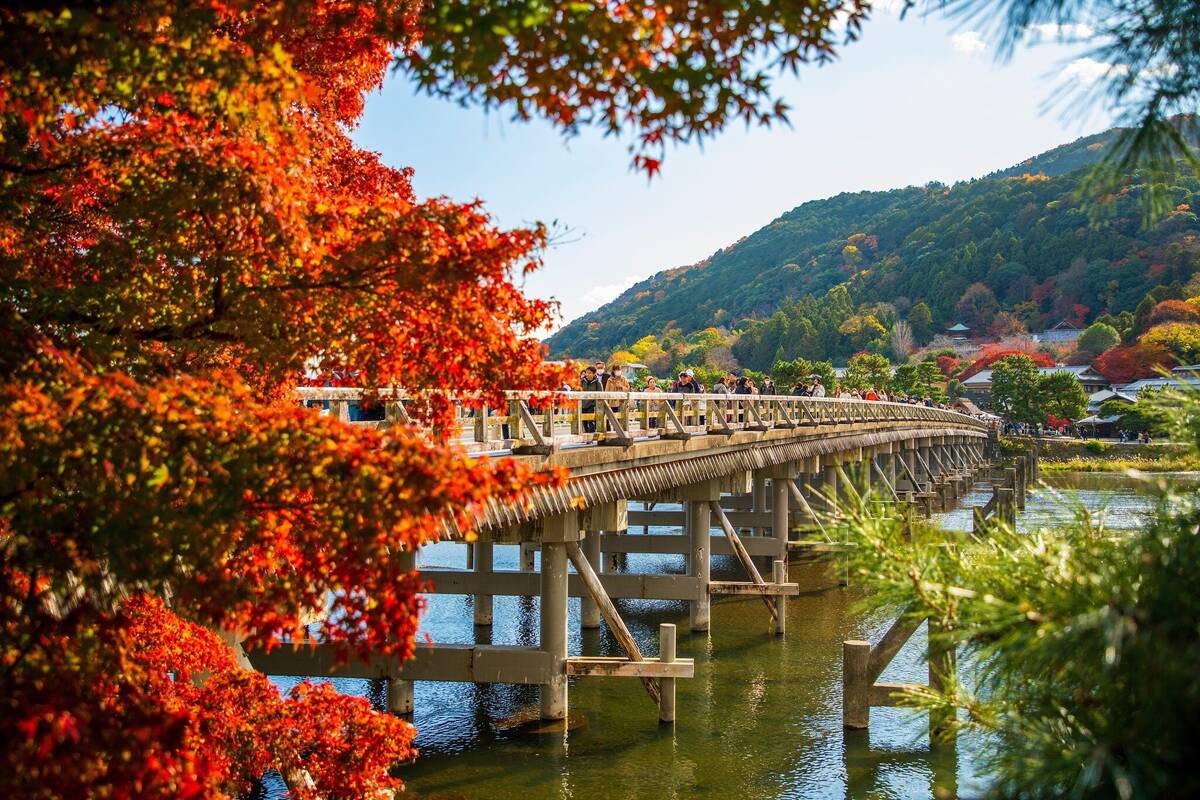
14. Find serenity at Ōsawa Pond
A short walk from JR Saga-Arashiyama Station, Ōsawa Pond feels worlds away from modern Kyoto. The man-made pond is one of Japan’s oldest surviving garden landscapes and changes character with the seasons, from spring blossoms to summer lotus flowers and autumn foliage. Nearby Daikaku-ji, a historic Shingon Buddhist temple, adds another layer of timeless beauty.
15. Experience Kyoto’s geiko culture in Gion
Gion is where Kyoto’s traditional character comes alive after dark. Along its lantern-lit streets, wooden machiya houses and elegant teahouses provide the setting for geiko, Kyoto’s term for geisha, and their apprentices, maiko. These highly trained entertainers preserve centuries-old traditions of music, dance and hospitality. Even without attending an exclusive evening gathering, simply wandering Gion offers a glimpse into a Kyoto that feels beautifully suspended between past and present.